Top 50 Albums of 2014, Part One: 50 – 41

It’s the most magical time of year — list season! A couple of days ago, I kicked into my top 100 songs of the year, which you can catch up on over here. Over the next month, I’ll be sharing that as well as my top 50 albums of the year. While there was a lot of controversy over the fact that no album went platinum this year, I feel it’s more a sign of the times than an indication of the quality of the music released in 2014. Across the 300-plus albums I experienced throughout the year, I completely ran the entire spectrum; from the uplifting and inspiring to the menacing and terrifying and back again. Let’s take a look now at the records that defined the year for me and see what you think. Love them? Hate them? Haven’t heard them? Let me know!

***

HONOURABLE MENTIONS: Hilltop Hoods, Lanie Lane, Indian, Colossvs, Panopticon, Fishing, Swans, Xerxes, Sturgill Simpson, Collarbones, Mary Lambert, Cynic, OFF!, Shellac, Mastodon, The Roots, Woods of Desolation, The Magic Numbers, Spoon and Pharrell Williams…

50. La Roux – Trouble in Paradise
Spotify || Rdio

Did you honestly ever expect to see or hear from Elly Jackson again? After her universe of hype imploded in her early twenties, she’s made sure that if La Roux was to ever return, it was going to be precisely calculated and on her own terms. The hooks are just as sharp, the production just as crystallised and pristine – but it’s delivered with a smarter and more restrained look at broken hearts and ambiguous relationships. Think of Trouble in Paradise as less of a sequel to the project’s exceptional 2009 debut and more of a reboot of the franchise.

THREE TOP TRACKS: Silent Partner, Kiss and Not Tell, Tropical Chancer.

WATCH:

49. IDYLLS – Prayer for Terrene
Bandcamp

From the depths of Brisbane, a firebrand of heavy Australian music re-emerged with a new lineup and a new approach to their tactical, cacophonous grindcore. The introduction of squealing, churning saxophone mixed in a touch of the avant-garde, while the album’s longer songs allowed the band to explore their own musical surroundings with arresting, impressive results. Prayer for Terrene was more than just some sort of post-apocalyptic soundtrack – it was the sound of a band realising its full potential and making the most out of it. An essential step forward from a band leading the pack in their field.

THREE TOP TRACKS: PCP Crazy, Crashing Boar, Lied To.

LISTEN:

48. Behemoth – The Satanist
Spotify || Rdio

Everything about The Satanist is defiant. A band venturing into its tenth album should have none of the vitality and maintained-rage that is omnipotent and omnipresent within the tracklisting here. Furthermore, The Satanist is defiant in respects to to Behemoth itself still being here – frontman Adam “Nergal” Darski was struggling with leukaemia for a couple of years, a devastating blow in any context. Perhaps it’s this that has given the band the rush of adrenalin it needs – a scream to the heavens, a clear and open statement of unfinished business. The devil rides on.

THREE TOP TRACKS: The Satanist, O Father O Satan O Sun!, Blow Your Trumpets Gabriel.

WATCH:

47. Loudon Wainwright III – Haven’t Got the Blues (Yet)
Spotify || Rdio

At 68 years young, the senior Wainwright has a lot of grief with you people. His dog’s misbehaving, there’s nowhere to get a beer, the news is always awful and – to top it all off – he might have depression. Maybe. If he doesn’t, he will soon. At least, so we think. It doesn’t matter what subject he tackles – it’s always given a unique spin and approached with Wainwright’s distinct kind of wry, often black, humour. With The Blues, the Third remains one of the more underrated songwriters around. He just hasn’t had his respect paid – yet.

THREE TOP TRACKS: Harlan County, Harmless, Man & Dog.

WATCH:

46. Chumped – Teenage Retirement
Spotify || Rdio || Bandcamp

The cover art of Teenage Retirement is a photo of a dude on his lonesome, chilling out in his pool and watching the world go by. It’s reflective of perhaps the best way to enjoy the debut album from this exceptional Brookyln outfit who, in a way, are picking up where albums like the Speedy Ortiz and Waxahatchee records from 2013 left off. It all ties into forward-thinking alternative rock with an all-important and oft-ignored central female voice – and as far as that realm was concerned, few dominated with such aplomb the way Chumped did. We’ll all float on.

LISTEN:

THREE TOP TRACKS: Hot 97 Summer Jam, Old and Tired, December is the Longest Month.

45. Miranda Lambert – Platinum
Spotify || Rdio || YouTube

Country’s crazy ex-girlfriend next door doesn’t do things by thirds. Her albums are always packed to the brim, with an A-team of producers, co-writers and instrumentalists filling each song. It’s this that has allowed her to rise to the top of the food-chain on her own terms – while her bro-down peers want any random girl up in their truck, she’s telling the same dudes that they “can’t ride in her little red wagon.” She may as well be saying that they couldn’t lace up her boots – and she has the songs to back it up. Giddy up.

THREE TOP TRACKS: Priscilla, Platinum, Old Shit.

LISTEN:

44. Vales – Wilt & Rise
Bandcamp

Sometimes, what you need is a record of furious, unforgiving post-hardcore. Not that fringe-flicking shit with the superfluous keyboardist and the neck tatts – we’re talking about the purest definition of the term, insofar as that it’s a progression from the standards and moulds set. Wilt & Rise goes beyond your average tough-guy shit and is completely devastating on its own terms, delivered with pure conviction and a seething, unshakable rage. The band are not only the most important new voice being heard above the drone in their native UK, they’re threatening to do the same on a global scale.

THREE TOP TRACKS: White Horse, Dead Wood, Wildfire.

LISTEN:

43. Copeland – Ixora
Spotify || Rdio

Immediately, there was a sense that Aaron Marsh and co. were headed far beyond any cash-in reunion territory when they announced their reformation – there was a new album on the way, six years removed from their finest hour, You Are My Sunshine. If Ixora did anything as an album, it validated their return to the fold. Copeland remains Aaron Marsh’s most important vehicle, with each new song delivering on stirring indie rock and heartstring-plucked balladry that stand up with any of their prior works. Ixora blossoms and blooms, reminding listeners to never take bands such as these for granted.

THREE TOP TRACKS: Ordinary, Erase, I Can Make You Feel Young Again.

LISTEN:
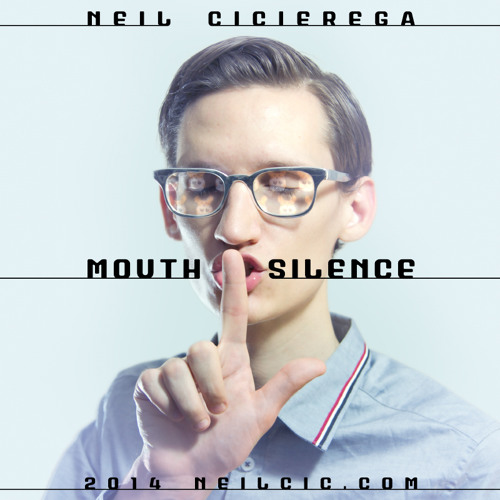
42. Neil Cicierega – Mouth Silence
Soundcloud

User:neilcic has been responsible for more internet sensations than you’d ever begin to think. Put it this way: If the phrase “Snape, Snape, Severus Snape” means anything to you, then there’s plenty more where that came from. Here, Cicierega delivers a sequel to his Smash Mouth-obssessed debut, and no-one is safe. He continues to terrorise the world of pop culture and 90s nostalgia with some truly nightmarish pairings – Soundgarden and The Carpenters, System of a Down and Elton John, Oasis and Oasis. It’s jarring, it’s bizarre and it’s hypnotising in its brilliance. Keep the internet weird, son. BEST!

THREE TOP TRACKS: What Is It, Wndrwll, Crocodile Chop.

LISTEN:

41. Mariachi El Bronx – Mariachi El Bronx
Spotify || Rdio

Barely a year after yet another exceptional record from The Bronx, their alter-egos have emerged in a fanfare of trumpets, percussion and enough sing-alongs to last until The Bronx V. Despite an all-too-simple game plan and a very specific stylistic palette to draw from, MEB have substantially matured their sound across three albums; adding in a much-needed personal touch to the traditional folk music. There’s a lot of introspection going on in regards to the album’s lyricism, which serves as a beautiful contrast to the outward and extroverted music. Their greatest achievement yet – it’s high-time you joined the procession.

THREE TOP TRACKS: Everything Twice, Sticks and Stones, Right Between the Eyes.

LISTEN:

***

INTERVIEW: Gallows (UK/CAN), September 2012

Everyone was pretty pissed that Frank was leaving Gallows, but as someone who was just as potty for Alexisonfire as I was for Gallows I just knew that Wade would absolutely crush as the band’s new frontman. I think Wade appreciated that when we had a chat just as the self-titled album dropped. He probably had a lot of interviewers being all “So, you’re not Frank. Let’s talk about that.” So I like to think this one went pretty well. Still a fucking great band after all this time.

– DJY, December 2014

***

There’s a classic line from The Sound of Music where Maria says that “when the Lord closes a door, somewhere he opens a window.” It’s a bit of cheesy blind faith, sure, but sometimes it can’t help but veer dangerously close to reality. Exhibit A: The closed doors. In 2011, Canadian post-hardcore band Alexisonfire announced their demises after ten years and four albums, and Gallows’ outspoken and ruthlessly aggressive frontman Frank Carter announced his departure from the band, leaving the future of the British hardcore punks in grave uncertainty. Exhibit B: The opened window. Shortly after both of these announcements, it was announced that Gallows had found a new lead singer: Former guitarist and vocalist of Alexisonfire, Wade MacNeil. A strange enough cross-over, but certainly not one that was written in the stars – at least, not from Wade’s perspective.

“I’ve always had a weird relationship with the band,” he says on the line from Toronto. “I remember the first time I met the bass player, Stu [Gili-Ross], at a bar in England, we almost had a fight!” He laughs at this memory, noting that Gili-Ross has gone on to become one of his closest friends. He continues to speak of Alexis and Gallows touring together around two years ago, where the earliest seeds of Gallows 2.0 were planted: “I remember the last time I did Soundwave,” he says, ‘I was walking through Melbourne with Frank [Carter], and he was telling me how he wanted to quit the band. His heart just wasn’t in it. There was absolutely no fucking way at the time I would have ever thought I was going to take that guy’s job!”

And yet, here we are, in 2012, with Wade doing exactly that; joining Gili-Ross, guitarist Lags Barnard, drummer Lee Barratt and Frank’s brother, guitarist Steph. The new line-up immediately set to work, quickly silencing their critics with a blistering EP, Death is Birth, and some of the band’s most chaotic live shows to date. “Everyone’s happy with the way things have panned out,” enthuses MacNeil. “I’m definitely happy that this band is still around, because they’re definitely not done writing songs.” As for the criticism that he has drawn, the 28-year-old couldn’t care less. “Gallows is the sum of its parts,” he affirms, “and we don’t care about any of the bitching that goes on. That’s always going to happen. I mean, you’re from Australia – I’m sure AC/DC still get it all the time, thirty years on or something like that!”

Of course, being with Gallows for just over a year has come with its various rough patches and tribulations. Not that it’s let Wade lose sight of what he wants out of his new career path – in fact, it’s invigorated him further. ““At the beginning stages, it was such a whirlwind, y’know?” he says as he recalls the first few months of frontman duties. “I think that’s why it’s worked, in a lot of ways. We had the studio time booked and then the tour a few weeks later – and I was pulling my hair out!” Because of this, MacNeil sees the band’s first recorded effort with their new line-up very much a result of trial and error, as well as being a product of its environment. “I very much look at the Death is Birth EP as a demo, just a scratch of what we were trying to do at the start,” he says.

By means of contrast, the band’s debut self-titled effort, released this month, has seen the new Gallows come into their own; creating an album that’s forthright, unapologetic and plate-shiftingly heavy. “I think with the new record, it’s a little more calculated,” says Wade. “At the same time, though, we didn’t over think things. If something wasn’t working, we’d just fuck it off straight away. It’s the record I’ve always wanted to make. It’s the record the boys have always wanted to make. That’s why it’s self-titled. It’s the best representation of what this band was always supposed to have been. I know that’s a bold statement, but… fuck off!”

He laughs at his last little outburst at his critics, but one can’t help but feel it comes from a place of great vitriol and frustration. Like it or not, Gallows are here to stay.

INTERVIEW: Diafrix (AUS), September 2012

I knew very little about Diafrix prior to actually interviewing them. That’s probably a recurring thing from this point on in my writing; a lot of “Hey, want to speak to [x]?” and me going “Yeah, why not.” I’m quite happy I did this one – I really like what Diafrix are about, and I think having more notable people of colour in Australian hip-hop is always an important part of the progression of it here. You’ll see in the interview, anyway. It’s not too bad, I don’t think.

– DJY, December 2014

***

It’s a long-serving and tirelessly true phrase of hip-hop that goes along the lines of “it’s not where you’re from, it’s where you’re at.” Much has been made of where Diafrix are from – both members are of African descent, refugees that met at a workshop in Melbourne nearly ten years ago. Where they’re at, however, is now a different matter entirely: They’re one of Australia’s most ambitious and interesting hip-hop groups, currently readying their second studio album, Pocket Full of Dreams.

“It’s definitely very different from our first album,” says Momo. It’s still got Diafrix all over it, though. We wouldn’t really know how to achieve anything else.” He elaborates further on just how far the group have come since their last album: “I think we’ve changed sonically more than anything. It was pretty much a new chapter for us – Concrete Jungle had already said what we wanted to say at the time, and we’re still very much a part of that album. We really wanted to tackle this album in a really different way.”

Of course, they don’t call it the Difficult Second Album for nothing. If it hadn’t been for a change of heart regarding the songs on the album, we may have ended up with a completely different version of Pocket Full of Dreams altogether – one that Momo would not have even been close to as satisfied with in comparison to what was ultimately achieved. “It’s funny – this record was more or less done twice,” he begins to elaborate with a slight incredulous laugh. “What happened was that we were making all these songs – about twelve or thirteen of them – and although we were digging them, they just didn’t feel 100%. The concepts were all cool and everything, but it just didn’t feel like where we wanted to take the album. So we started over again: Brand new concepts, none of the songs were rewritten bar one. We more or less just made a whole new album. It expands over a good year or so, and it definitely feels like we’ve made two albums.”

The album brings in a myriad of guests, from go-to rnb hook man Dwele and Australian Idol winner Stan Walker to local MCs like 360 and N’Fa. It was a huge part of the album’s creation for Momo – “I grew UP listening to Dwele!” he enthuses at one point – but he also makes note of the fact it was just as important for the guests as it was for Diafrix. “All the collaborations that we’ve done on here, everyone that we got to be a part of the record – I’m really happy with it,” he says. “Bringing them all in meant that we were sharing the experiences with them, learning from them and vice versa. It really meant a lot to us as a group.”

He continues: ““I’m more about individuals as artists, and what they bring to the table. You could have someone that’s a rapper, but you get them to sing a hook and they could do it better than someone that’s an actual singer – all depending on what you want to get out of the song.”

Of course, having relatively “mainstream” guests on the album like 360, Walker and Daniel Merriweather will always get a cry of ‘sell-out’ from hip-hop’s highest ranks of snobbery. The album’s slick production is certain not to sit well with some more alternative fans. It’s something that’s brought up after Momo makes a bold statement about exactly what he likes to add into his music. “I need soul in my music. No matter what style of music it is that I’m listening to, I’m all about the soul – the music I listen to has to have it.” So, how do you achieve “soul” of any kind through shiny production and Idol guests? Simple, really – it’s all in the producer.

“What made that [having “soul” on the album] very easy was Stylez Fuego,” says Momo. “The dude is prolific – the thing I love about him is that he is one of a few producers that can take tracks from a certain level and make it appeal to a much bigger crowd, while still keeping that soul in there. I think that’s really rare these days. People get confused about it, but it’s all a matter of channelling it the right way. He knows what sounds good, and his musical knowledge can be heard through what he creates.”

Pocket Full of Dreams comes at an interesting time for hip-hop, both full of bold experimentation and risk-taking, as well as it arguably being a more viable and influential product than ever. Diafrix have seen a lot come and go in their nine years as a group, but they maintain that they wish to keep as positive an out look on the Australian community as possible – regardless of who rolls with what clique.

“From the get-go,” he begins, “when hip-hop was still relatively fresh and young on the scene – the only act that was really up at the top was Hilltop Hoods, and there was a massive drop-off after that. We always stood on our own feet and created our own music. We’re really not a cliquey group – we just want to be a part of hip-hop in Australia. If a group gives us love, we will always show love back.”

Recently on Facebook, Diafrix called for there to be more festivals dedicated entirely to Australian hip-hop. Momo feels that, while things like Come Together and Sprung are great, there’s even more waiting for us around the corner. “We’re watching hip-hop really growing right now – there needs to be more festivals and more tours coming through,” he says both definitively and excitedly. “Rather than having festivals where it’s just a novelty of having just a few hip-hop artists, it’d be great to see more dedicated festivals like Sprung, which is making a lot of noise for everyone. Why wouldn’t we celebrate our music? What’s being created in our own backyard?” It’s tough to argue with him – and even tougher to not have nothing but Diafrix love.

INTERVIEW: The Gaslight Anthem (USA), August 2012

I picked up a little work over at Pages Digital – specifically, its subset of Groupie Magazine – through an old uni connection. Although there were problems toward the end relating to overdue payments, I still got to pick up some interesting work in newswriting and the occasional feature. I was quite looking forward to this interview, as the band’s Handwritten album had been one of my favourite records of the year. I was, however, planning on speaking with Brian Fallon. When I was told that I’d be speaking to the band’s guitarist, Alex, instead; I couldn’t hide my disappointment. Didn’t help that the guy was honestly a bit of a dick, too. Maybe we caught one another on a bad day, but I’d love a second chance to do a Gaslight feature. Someday…

– DJY, December 2014

***

Take small-town good nature, rock & roll radio and a new generation of twentysomethings trying to make sense of it all. Mix it together and turn the amps up to eleven and you’ll get a rough idea of what New Jersey band The Gaslight Anthem are all about. On their fourth studio album, Handwritten, the band continue to expand on their punk and heartland rock background, creating a definitive effort that cements their status as one of the most important working rock bands in the world today. It’s an album that evokes feelings of hope, love, loss, sorrow, regret and nostalgia; and certainly a record that evokes a strong response from the band’s fanbase.

In a recent interview, the band’s lead singer, Brian Fallon, compared the process of creating an album to a photograph, capturing a period of one’s life with a permanent fixture. However, this may have simply just been a throwaway comment: An attempt to engage the band’s guitarist, Alex Rosamilia, with an elaboration on this metaphor – perhaps as to what kind of photograph Handwritten is – are ultimately futile. “I dunno, man,” he says.” I’m pretty sure what Brian meant by that is that the whole record cycle can be taken as one section and then you move on to the next section. It’s just that whole bit, y’know what I mean? It’s almost like you can break parts of your life off into segments, make new chapters…” He ultimately trails off, perhaps confused by the question.

Although this attempt to pick Rosamilia’s brain proves fruitless, he comes to open up further about his connection to Handwritten as an album as the interview progresses. “I guess the biggest thing that comes to mind about the album is that I’m proud of it,” he comments at one stage, sounding focused and enthused. “I really love this record – I’ve never been happier with anything we’ve ever done before. We were kind of in the right mindset when we went in to make it, and we’re obviously better at our instruments now than when we first started.”

He continues, discussing how naturally the record came together. “Everything was in the right place at the right time – and not to sound pompous, but it all felt really effortless. Not in the sense that it was easy to do, but there was no point where anyone in the band was really fighting against what was happening.” As to what exactly it was that made the band feel so easy-going and confident during what is often a stressful time for bands? “We decided we wanted to have fun with it,” Alex affirms. “Being signed to a major label and all, we really didn’t want to put the excess pressure on ourselves. We just went in and wrote some fast, upbeat songs; and then tried to balance that out with some slower ones. I think writing a lot also helped with our attitude towards what we were doing – it felt great to have too much as opposed to not enough, to narrow it down to the eleven that made it on.”

Handwritten is a remarkable effort, one that’s bound to end up at the pointy end of countless end-of-year lists – and, naturally, the band’s return to Australia couldn’t come sooner. Alex is similarly excited to return, but tells fans not to hold their breath. “We don’t have anything planned yet. I know we’re trying to get down there as soon as possible, so we’re hoping for early next year. Australia is pretty much paradise for a guy like me from New Jersey.”

INTERVIEW: Tonight Alive (AUS), August 2013

This was my first interview for BLUNT, and I was quite lucky in that it was with someone I know quite well and have quite a bond with. There was a time where my world revolved around Tonight Alive — I met so many awesome people through their shows, and they toured so often that a lot of said friends and I would double and triple up on shows to see them as many times as possible. It was a time to be alive, I’ll tell you what for. I’ll probably explain more about it when I get to their Ten Timers’ Club entry, but just know that I love this band and couldn’t be prouder of their successes. 

Jenna’s a very smart young woman and she’s making a difference in a lot of people’s lives through her music. So I’m quite proud we got to talk about it a couple of years after meeting her for the first time.

***

When you’re a big fish in a little pond, it’s important to make the jump before you’re stuck there for good. For many Australian bands over the years – ranging from The Birthday Party and The Go-Betweens up to current acts like The Drones and Royal Headache – the most important part of their career was forging a name overseas to finally receive the respect deserved in their homeland. Although they’re not quite within the same spectrum as your Nick Caves or your Gareth Liddiards, this logic could easily be applied to Tonight Alive.

After humble beginnings in 2008 in Sydney’s northern suburbs, the five-piece took to every pub, club and PCYC you could think of; picking up international support slots and a slew of high-stature gigs without even an album to their name. Of course, once their Mark Trombino-produced debut was released, 2011’s What Are You So Scared Of?, the big fish jumped. With a fanbase stretching from New York to Jakarta, the band’s international presence has undeniably risen – and it’s something that has even taken the band aback somewhat.

“We did everything that we could without a label and without management when we were starting out,” says lead vocalist Jenna McDougall, who was all of sixteen when the band formed. “Even when we did get both of those things and started getting more of those big support slots, you can get into such a loop in Australia. You keep playing the same venues, and you keep struggling to get radio play. It’s difficult to get any further off the ground. We knew straight away that we had to branch out. It was always a goal of ours to tour internationally, but now it’s become a priority. It’s going to be really interesting to return to Australia in September to see what’s changed there.”

By the time the band gets back to Australia, they will have released their second studio album, entitled The Other Side. Comparisons between the record and their debut will inevitably be drawn, but it is certainly worth considering that the band put roughly three years of work into WAYSSO?, including re-recorded songs from their earlier releases. This album sees the band starting from scratch, and McDougall herself is the first to admit that it proved to be one of the greatest challenges when creating the material that would end up on the album.

“It really is true what they say about having a lifetime to write your first album and roughly a year to write your second,” she says. “A lot of the songs from What Are You So Scared Of? come from when we were either in high school or from when we were fresh out of high school, barely even established as a touring band. We didn’t really know enough about ourselves as musicians or as people to write a record that was going to…” She trails off at this point, perhaps unable to properly describe what she means to say. It’s only a temporary lull in the conversation, though, as she picks up once again. “I guess we didn’t really have the experience that we do now, and I think that’s really affected the songwriting.”

“We wrote this album over two years,” she continues. “In that time, naturally I faced a lot of new challenges and experiences. It was kind of like being thrown in the deep end a lot of the time, and having no clue how to handle things. I’ve learned a lot about myself as a person in that time, and the lyrics have become a lot more honest. If you look back at a lot of our older songs, there’s a bit of love and a bit of relationship stuff… it’s all quite exterior things. The songs on the new record, though, come from the deepest, darkest place. I’m not talking about death or passing or acceptance in that sense on this album, but I went through my first real break-up that opened my eyes to a lot of things. There are a few songs on the record that are me coming to terms with that, as I really wanted to share that with people. I think it’s quite relatable.”

The Other Side saw the band – completed by drummer Matt Best, bassist Cameron Adler and guitarists Jake Hardy & Whakaio Taahi – return to working with producer Dave Petrovic. As Jenna herself points out, Petrovic has worked on every Tonight Alive recording to date, either as a mixer or producer, with the exception of What Are You So Scared Of? She even considers him “the sixth member of Tonight Alive.” It’s a curious contrast – a band attempting to establish a new sound and style collaborating with such a prominent figure of their past. In this instance, however, it feels more as though the band are coming full circle.

“The whole idea of doing What Are You So Scared Of? with Mark was to break and see what we were capable of. It was a really good experience for us, and it really changed us as a band. When we were writing these new songs, though, we all knew that we wanted to work with Dave again. We have a really strong connection with him, a real chemistry… it just seemed to be the right thing to do. And it was – the album really wouldn’t have been the same without him.”

At the time of writing, Jenna and co. are in the middle of the Warped Tour, which they will also be a part of when it reaches Australia in December. It’s somewhat notorious for its gruelling nature, packing in dozens of shows across the country on an impeccably tight schedule. This marks their second go-around with the festival, where they are appearing on the DOMO stage alongside acts like Big D and the Kids Table, The Early November and even fellow Australians Hands Like Houses. The question has to be asked, given it’s an unforgiving and extensive run of dates, whether cabin fever has set in by playing the same set every day.

While McDougall doesn’t wish to dwell too long on the struggles of live touring – “I don’t like putting negative stuff out there in the foreground,” she says – she does confess to a struggle in keeping up with the tour’s demands. “It’s not that I don’t like to play live – it’s what I love. It’s just the constant performing can almost make you feel like you’re turning on a switch. I’m still stuck in this routine of playing for half-an-hour every day, so I’m pretty excited to break it up once we start doing our own tour. The new album cycle is really exciting for us,” says McDougall.

Being one of the first major victims of “comparamoring” – a lazy, sexist barb in which any and all female-fronted pop-punk bands are accused of ripping off Paramore – the band have silenced the majority of their critics and developed a devoted audience in their own right, from people following their extensive tours to anonymously writing disturbing fan-fiction (ask any Tonight Alive fan about the phrase “majestic dolphin” at your own peril). Perhaps the most notable aspect of the evolution of Tonight Alive, however, is Jenna herself becoming somewhat of a role model to younger music fans, particularly Australian girls that may someday wish to start their own band.

“I can remember being eleven years old, sitting on my bed trying to write my first-ever song on the classical acoustic guitar that I learned how to play on,” she says. “I don’t know why I started saying it, but I said that I wanted to help people that need help. I didn’t really think of it again until maybe a couple of years ago, when I realised that our music was starting to somehow affect people; changing not so much their life, but maybe their direction or perspective. That’s really important to me. I do feel responsible for our fans in that sense – today, I read a few letters that we’ve been given on tour. Jesus Christ, some of them are super heavy. If you can mean so much to someone, it feels like you’re doing something right. It certainly puts things into perspective – I can be really shitty, and then open a letter from a fan and start to think that this is where I’m meant to be.”

She takes a deep breath, and adds succinctly: “It all makes sense again.”

INTERVIEW: Jae Laffer (AUS), September 2013


This was the first feature that I wrote for the BRAG, and there’s many happy returns where that came from. So far, I’ve done dozens of features for them; including seven cover stories that I’m really happy with. Obviously, we’ll get to them before you know it. Let’s get back to this, as I had a chat with the perfectly charming frontman of The Panics. Seriously underrated band if you ask me – even if, for many, they live and die by that song. This was in promotion of his perfectly charming solo album. Painless interview. Good one to start with for a place I’m still very proud and happy to be writing for.

– DJY, December 2014

***

2013 not only marks the release of Jae Laffer’s debut solo album, it also marks a milestone of ten years since the release of A House on a Street in a Town I’m From, the debut album from Laffer’s day job, The Panics. Jae exudes a sense of pride at what the band achieved – particularly at such an early age.

“It reminds me of that time in your life when you’re waking up out of being a dreamer in high school,” he says. “I listen to that album and I hear myself crazily imitating all of my heroes. It’s so exciting, though – and when it starts catching on, it’s the most invigorating feeling. There’s a great energy, and that’s the great thing about the kind of music you make when you’re in your teens – it’s naïve, but it’s not afraid of anything.”

The Panics have been on an extended break following the release of their 2011 album Rain on the Humming Wire. In that time, Laffer has been hard at work on When the Iron Glows Red – an earnest slice of folk-rock full of warm harmonies, strident acoustic guitar and a new-found sense of purpose. Laffer felt that Iron was an album that he had to make.

“I just wanted to test the waters,” he explains. “I’ve gotten to the stage where the band and I want to change up what we do and start afresh. We’re still very close, but I also wanted to keep up creativity on all fronts.”

“I felt it was a good time to do this album,” he continues. “After the last Panics album took a little longer than we wanted, it certainly had its particular stresses here and there. All I really wanted to do before starting on any new Panics stuff was just to show myself that I could create an atmosphere, write a whole bunch of songs really quickly and record them. For many years of compromising, it just felt great to be freely creative for creativity’s sake and take control of a record – produce it, play most of the stuff on it. It just felt good, and it worked.”

Laffer points to two iconic figures – John Lennon and Bruce Springsteen – as being greatly influential on the sound of Iron. “I think a lot of what I was listening to was reflecting being thirty years old and having new kinds of pressures in life,” he says. “It’s that struggle of trying to keep our dreams alive and not compromising too much, not letting things stop you from being your true self. So I found myself really relating to the worker’s ballads of Springsteen and Lennon crazily talking so abruptly about his relationship. I might not be up there with those guys, but it’s just that kind of feeling that resonated with me.”

The album will be launched with a national tour, starting in mid-October in Melbourne and winding up with a Sydney date in early November. Laffer will be joined by a four-piece backing band, and promises a mix of new solo material and some Panics favourites. Don’t worry about backlash should you request ‘Don’t Fight It,’ either – against all odds, Jae is at peace with The Panics’ biggest single.

“It’s just a cool song,” he says calmly. “As far as having a track that sums you up to people, then I feel ‘Don’t Fight It’ puts our reputation in good hands. It’s got a certain something to it… I’ll always be proud of it.”

INTERVIEW: Shout Out Louds (SWE), May 2013

This ended up being the last feature article I did for the AU Review. No bad blood there at all – Larry is a genuine product, and one of the best dudes in the industry. Built up a site out of essentially nothing and gave so many great writers and photographers a leg up when few other places would – myself included. Was very happy to write for this site for the four years that I did. I also think this was a pretty decent one to go out on – Adam is very polite (he’s Swedish, of course he is) and gave a great insight into what I feel were a very underrated band in their time.

– DJY, October 2014

***

The Shout Out Louds are keeping a deep, dark secret amongst their ranks. Around the mid-2000s, the band rode a wave of European indie rock bands roaring through a renaissance of cool; with soundtrack features, hit singles and world tours for all. While many bands from that period essentially burnt out, splitting with major labels and disbanding, Shout Out Louds just kept working away. They kept the exact same line-up, they never had any major public spats, they released consistently good records (including this year’s Optica) and they never compromised for anyone or anything. The facts don’t lie, and when they’re presented to the band’s lead singer, Adam Olenius, he’s simply asked one question: What’s their secret?

“I don’t really even know if there is one,” he laughs. “We were friends before we even started making albums. That was the main thing – we came together because we were friends. It’s hard to let go of something when you have such a strong, deep connection with your bandmates. Even though we’ve always been touring and still have people coming to see us all around the world, maybe the fact we didn’t really explode in the way that some of the other bands did… maybe it helped us stay hungry and want to stay creative. We’re still good friends, y’know? We still feel as though we have records to make and things to achieve.”

Optica is the band’s fourth album, which comes three years after its predecessor, Work. It was released in the first quarter of the year, and has already received some of the most glowing reviews of the band’s career. It’s a lush, intimate and engaging pop record, which sees the group – Olenius, keyboardist/vocalist Bebban Stenborg, guitarist Carl von Arbin, drummer Eric Edman and bassist Ted Malmros – expanding their palette and bringing some new, interesting sounds to the table. Although Adam still takes the central role of lead vocalist, rhythm guitarist and primary lyricist/songwriter, he definitely feels as though the collective energy and force of the group is what makes the album so worthwhile.

“We were always so stuck in our own roles,” he says. “We had our own little bubble going for awhile. I have to say, though, on this record, everyone has been so much more involved. We produced this one ourselves, and it made us… I dunno, a little more passionate about being in a band. The attitude of this record is pretty strong, I feel. A lot of the songs were written in the studio, which is a little unusual in our group. Normally, I have a pretty solid idea of what I want out of the song, but going into the studio there were a lot of little fragments of ideas. I’d show them to the others, and we’d play around with them accordingly. This was the first time we didn’t go into our rehearsal space with this ideas as – like I said – we didn’t want to get stuck in our own roles again.”

“Every album we’ve done since our debut is a reaction to the album prior to it, he continues. “The Work album, which came out three years ago, was created very traditionally. We rehearsed the songs for about six or seven months, and then we went to the studio for two months – then, it was done. This time, we more or less did it the other way around. Who knows, next time might end up being completely different!” Adam points to one of the album’s highlights, “Blue Eyes,” as a song which sparked the creative process.

“The original version of that song was a fast track – it had a bit of a Sonic Youth feel to it!” he recalls. “We felt that it couldn’t really go anywhere, but we still wanted to do something with it. When we started playing it again in the studio, we started trying it out on different instruments and taking it down a step. We found that the groove sounds like a private jet landing at an airport! When that song came together, we really knew that we could create something unique with only a few elements. Even though it sounds very different to the other tracks, it really set the scene for the creative process.”

2013 has already seen the band touring extensively in support of Optica, which leads to a line of questioning regarding their return to Australia. Olenius has fond memories of the band’s previous tour, which took in the 2010 and 2011 new year period, including a spot at the sadly now-defunct Peats Ridge festival. “That place was like in the middle of the forest!” he exclaims. “It felt like we were playing in medieval times or something, that was a truly magical little spot.” As for when we can expect the band to come and play Optica for us in Australia again? “We’re going to try for a similar timeframe as last time around, so either very late this year or very early next year is the plan. It might be part of a festival, it might not. All we know is that we’re definitely looking forward to visiting you guys as soon as possible. We’ve always had a great relationship with you guys.” Ahh, those Swedes – always so charming!

INTERVIEW: Paul McDermott (AUS), April 2013

A bit like the Patience Hodgson interview, this was a challenge insofar as I had to interview someone very well known for one thing about something else. I really enjoyed that aspect of it, however – Paul was a wonderful guy to interview. He’s someone that I grew up watching, so it was borderline surreal to be able to speak one-on-one with someone I’d come to love and respect over fifteen years. Another feature where I genuinely think it’s one of the better ones I’ve done.

– DJY, October 2014

***

If there’s two things you can instantly remember about Paul McDermott – his ultimate distinguishing features, if you will – it’s that he’s one of Australia’s all-time great funnymen and he’s got a tremendous set of pipes. After roughly thirty years of focusing primarily on the former, McDermott’s new stage show, simply titled Paul Sings, brings attention to the latter in its first proper outing. For the first time ever, Paul has put together a show of all-original material, ranging from the confessional “Bottle” to the love-lorn “Slow Ride Home.” With all of this in mind, one would think that singing had been a part of McDermott’s life from the very beginning. He is, however, quick to point out that it was never really a part of his life until he formed the infamous Doug Anthony All-Stars alongside Tim Ferguson and Richard Fidler.

“I’ve always sung to myself,” he says, on the line from Melbourne in the middle of a busy week at the Comedy Festival. “As a kid, I remember just singing to myself and singing at church with my mother. There was nothing at school, though – I wasn’t part of the choir, I never learned an instrument. I didn’t really start singing publicly until I joined up with the All-Stars, and we started busking. I never thought singing as a career was a reality in any way, so it was quite a weird set of circumstances that lead to it.”

The rest, as they say, is history. After 10 years with the All-Stars, McDermott moved onto hosting Good News Week in both its original 90s run and its 2000s revival; as well as Triple J breakfast hosting alongside longtime collaborator Mikey Robins. He formed GUD alongside notable Australian musicians Mick Moriaty (The Gadflys) and Cameron Bruce (Paul Kelly, Washington, Club Luna Band); who had a substantial run at festivals and the like throughout the first half of the 2000s. On the ABC, he also hosted The Sideshow, a variety/cabaret program which ran for one season in 2007 before unfortunately being cancelled. One thing that did come from The Sideshow of particular note was a slab of original songs, written and performed by McDermott near the end of the episode. With this in mind, it’s easy to imagine the daunting task of putting together the setlist for these shows, narrowing down a myriad of material over the years down to just 90 minutes’ worth.

“It’s been an interest process,” he admits. “With this show, we’ve just been trying to narrow it down to the sweet songs. We used to do this thing in the All-Stars when about three-quarters of the way through the show, we’d do a song like “[Heard It Through the] Grapevine,” “Throw Your Arms Around Me” or “Don’t Let Me Be Misunderstood.” They were always used as a counterpoint to the more visceral, grotesque comedy that we were doing. They affected people in a different way. This show is like a collection of those ideas, but they’re all original songs – songs that came from the end of The Sideshow, songs that were occasionally put in Good News Week or GNW Night Lite, or even songs that were in the [Comedy Festival] Debates. It’s taken us awhile to collect them, and we’ve only really found about half of them!”

Given that Paul Sings is a notably more sincere and – dare it be said – “serious” show in comparison to previous McDermott productions, the question must be asked: Is it difficult for people to keep a straight face at a comedy festival show? “The reaction has been quite phenomenal, really,” says Paul in response. “The reaction to the songs has been great. I do get to chat a bit with the audience between the songs – I guess that could be considered comedy. I think we strike a good balance, overall. People have been very complimentary about this show, which is really nice.”

Despite the title of Paul Sings, McDermott is also very quick to point out that he’s definitely not alone on this venture. Joining him will be a four-piece backing band, of whom he cannot speak high enough praises. On bass is Thirsty Merc alumni Phil Stack, who Paul describes as “the missing piece – his vocals are just perfect, and he has such great ideas.” On drums is Evan Mannell (“I’ve been calling him the Bison – he hits those skins like he hates them!”); and the two are joined by guitarist Patch Brown (“I don’t know why he isn’t the biggest thing in the world yet – he’s a superstar!”) and keyboard/accordion player Stu Hunter (“He’s done such wonderful things with these arrangements, what a brilliant musician!”).

There’s an overwhelming sense of pride in McDermott’s tone when he discusses how Paul Sings has come together – it’s already received rave reviews at the Fringe in Paul’s hometown of Adelaide, as well as the Melbourne International Comedy Festival. In two weeks, the show will come to the Sydney Comedy Festival for two nights only, at The Concourse in Chatswood and the Enmore Theatre in Newtown. McDermott himself is particularly fond of the latter – “Oh, I haven’t played there in a thousand years!” he reminisces. “What a beautiful venue. We can’t wait to come and play.”

Oh, one last thing, Paul: Any chance of an encore of “I Fuck Dogs”?

“People are ALWAYS after that particular classic,” he says with a laugh.

INTERVIEW: Hunx & His Punx (USA), January 2013

Yep, another Q&A. I think I was reading a lot of Rolling Stone at the time and was trying to mimic their conversational Q&A style. I’m not so sure it suits me, to be honest. I did love chatting with Mr. Hunx, however. His band are fantastic fun. This tour in particular was an obscene amount of it. This interview is pretty silly; I giggled a lot going back and looking at it.

– DJY, October 2014

***

What a month to be a queer punk in Australia! Just weeks after a blistering tour from bear-friendly hardcore queens Limp Wrist, the Ramones-esque proto-punk of Hunx and His Punx have just touched down in the land of Oz for the first time ever. While here, the band will perform at both the Sydney Festival and at Sugar Mountain in Melbourne, amongst other headlining shows. We got on the phone with Seth Bogart – aka Hunx, the band’s fearlessly fabulous figurehead – to discuss new material, new homes and inappropriate zoo visits.

Hi, Seth! Where are you taking this call from?

I’m in my apartment in LA. I really love it here, it’s really nice! Everyone’s really hot, the weather’s really hot. It’s a really big city, too. I dunno, it’s just fun!

Well, enjoy LA while you can – it won’t be long before you’re here in Australia with us!

Oh my god, I can’t wait! It’s been so long. I’ve been wanting to come and see you guys for three years now. I’m so excited!

Tell us a little bit about the line-up of H+HP that you’ll be bringing with you for this tour.

Well, Shannon and Erin – who have kind of always been in the band – are coming. This guy Frankie, who is kind of a weirdo, is going to be playing guitar for us. The other two girls we had playing guitar for us got pregnant.

Wait – at the same time?

Yes! It was a real inconvenience!

What’s so weird about this new guy, anyway?

He’s just kind of perverted. He has, like, a massive foot fetish, too. He’ll be like taking pictures of our feet while we’re sleeping and stuff. He’s really hot – but I have a boyfriend and Frankie’s straight; so it’s kind of difficult.

You’ll be bringing some new material out on this tour, is that true?

We’ll be playing songs from all three albums, and we’re in the middle of writing a new record at the moment called Street Punx. Hopefully we’ll have some of that new material for you by the time we get there.

What is the new album sounding like?

It’s MEGA punk. The more I was playing fast, fun songs with the girls, the more we were enjoying them. So we just started writing like that. Plus, I was pissed off at a lot of people and needed to get some things out of my system, get some anger out. I just started writing mean songs. I’ve always loved The Germs, and I always wanted to make a California punk record – and now is my chance!

Have you guys had much of a chance to run through what you’re going to play in Australia?

Well, to be honest with you, we live in four different cities. So we don’t really play that often. When was the last time we toured? I think… [trails off] …oh, we played a couple of shows about four months ago and that’s been about it. Shannon and I just write songs at the moment in our bedrooms and just send them to one another. We haven’t even really rehearsed yet – so, I don’t know! I’m sure it’ll all work out by the time we get to Australia. I think we’re playing a skate park the day before we leave, so we’ll sort it out then.

The band have always been known for some provocative imagery and aesthetics – from the cover of the Gay Singles compilation to the band’s videos. Do you feel that you’ve drawn a lot of people in over the years because of the band’s aesthetics?

I would hope so! I just like the way things look. I just love being involved with things like the artwork, y’know? I mean, there’s one side of me that just wants to get up on stage and be punk and go crazy and stuff like that; and there’s also this other side of me that’s like a grandma – really into arts and crafts [laughs]. I want what people see on the outside to reflect the band and reflect the sound. I also don’t trust people in bands that don’t do art. I just find it weird if you’re in a band and you don’t know how to make it look the way it sounds. You really need to be involved with the entire creative process in order for it to totally work.

Hunx and His Punx seem to have always taken their sounds from everything from the Ramones to the Ronettes in their music. Have you ever felt a difficulty fitting into a “scene” – being too pop for punk and vice versa?

I don’t think we really fit in anywhere, really. We’re too “gay” for punk, and we’re too punk or too rock for most gay shit. It’s all the same, really. We’re just about being ourselves. It’s cool if you don’t fit in. I love it at our shows when there’s the big tough punk guys standing next to the weird teenagers and the gay guys. It’s so weird, and it’s so awesome. I’m so excited to see what our Australian audiences are going to be like.

Do you have any ideas of what to expect on your first trip to Australia?

I just want to see a kangaroo’s boner! After that I can sit back and relax.

INTERVIEW: Sammy J (AUS), April 2012

It’s rare that I get to do non-music interviews – well, Sammy’s definitely a musician, but in the realm of comedy. You get what I mean. Anyway!  He’s a fantastic guy and a great interviewee. This is a Q&A format; which isn’t preferable but I guess it suited the chat a bit more. Sorry about that. Blame my past self!

– DJY, October 2014

***

The skinny man. The piano dude. That guy with the juice box. That weirdo with the puppet. He’s known to Australian audiences under a myriad of guises, but all of these attributes combined don’t even come close to covering Sammy J. He’s one of the hardest-working entertainers and one of the most unique minds working within Australia’s comedy circuit – and, in direct collaboration with puppeteer Heath McIvor, he’s created an ingenious odd couple in the form of Sammy J and Randy. The two are currently performing their third show under the moniker, The Inheritance; and we spoke to Sammy J himself about the new show, working with a puppet and the most unlikely place for a comedian to succeed in this country.

Hey Sammy, how have the shows been going so far at the Melbourne International Comedy Festival?

Sammy J: They’ve all been pretty fun! There’s been no stinkers. Y’know, normally in the festival, you have a show or two that make you question your entire career choice. Maybe that will be tonight, now I’ve said that…

How long have you been performing The Inheritance now?

We opened it at the Adelaide Fringe in February, so we’ve probably got about 40 shows under our belts so far. In Melbourne, we’ve been doing it for the past 2-and-a-half weeks, with one-and-a-half to go. It’s been great. Our festival year starts in Adelaide, then goes Melbourne, Sydney, Perth and then over to Edinburgh in August. It’s quite a long stretch, so it means that we get constant incentive to make the show better. You don’t just sit back and relax – you’ve got new cities to win over!

With that said, how much has the show changed since it debuted in Adelaide?

A fair amount. My mum saw the show last night, and she saw the trial show back in January when we put it on for our friends and family. It was just a balls-up, that night. Everything was breaking, sets were falling over… so she confessed after the show last night that she’d been quite nervous when she sat down at the Forum with all these people there for a show that might not be all that good. [Laughs] We picked it up, did a lot of changes. The drive home from Adelaide to Melbourne each year is a very productive time for Randy and I – we do a lot of rewriting, we go through jokes that we don’t like and we cut some scenes out. It’s humming along now. The engine has been tuned, and we’ve put a few new seat covers on and stuff; to continue that metaphor.

Stephen Colbert is a comedian that’s best known for portraying the character of Stephen Colbert in his shows. It’s somewhat similar to what you do – you’re Sammy J, but you’re also playing a character in these festival shows called Sammy J. How different is the person on stage to the person you might meet in the street?

You’re right – I call myself Sammy J because it’s a nickname, rather than a character name. It’s what my friends call me and stuff. I think it’s just an exaggerated version of me – and I mean extremely exaggerated. Sammy J on stage will happily kill a dude or fuck a puppet and won’t really think too much about it. I mean, I still kill dudes and fuck puppets, but I do feel bad about it in real life. And I’m far more discreet.

We can only imagine that Heath isn’t as foul-mouthed when he doesn’t have a puppet on the end of his hand…

We’re both fairly tame. As much as we swear on-stage, every single “fuck” and “cunt” in our show has been put through a meticulous quality control process, and it’s there purely to serve the joke.

This is your fourth show with Heath, and the third show as Sammy J and Randy. Now that you’ve done this many shows writing with Heath in mind, do you think you’re more confident about writing with both of these characters as opposed to just putting a bunch of songs together and saying “that’ll do”?

Definitely. We’ve definitely learned a lot more about the characters, and how they interact with one another and the world around them. Having said that, we take longer and longer writing our shows now – we feel like we have more options and slightly more pressure to not fuck up. When we wrote The Forest of Dreams, we literally just sat around and made each other laugh for two weeks. We didn’t think that many people would see the show – and then, suddenly, we’re off to London and Edinburgh and doing the show all around the place. We knew we had to step it up from then on in. But, yeah, as far as writing goes, it’s still us trying to make something that we find funny – but it’s also balance that with not wanting to bore a crowd, as well. I’m very happy for people to hate my guts, but I’d hate to think that we’re doing something boring.

Is it very much a collaborative process, or do you still view these shows as your own?

It’s easily collaborative. We write everything together. When we’re writing songs, I’ll sit down at the piano and Heath will be there with me. Because we’ve still got our solo stuff on the side, we’ve got that outlet as well for whenever we want to be complete control freaks. When it’s together, though, we’ve both still got the same goals in mind. We battle it out, and it’s very rewarding.

With The Inheritance, it would have been clear from the start that you needed to make something better than Bin Night, but also something that was fresh and unique. What inspired the writing of The Inheritance?

With Bin Night, our challenge was to write something that was set over one evening. It was us, standing in the front yard of our house – and that was it. It was our bottle episode, if you will; a complete mind-fuck of a show with a lot of dialogue. Having achieved that, our direction turned to the complete opposite so that we could make something as epic as we could. In this show, Randy’s uncle dies in England – it happens in the first few minutes of the show. We go over to England to claim the inheritance, so it’s kind of the opposite of Bin Night. It takes place over a couple of continents and a couple of months. There’s some pretty big things at stake here, too – ghosts and family history and stuff. We pretty much did a 180 – we wrote a film script, to be honest – and thought we’d see where it would go from there.

Obviously, there is a bunch of new songs in The Inheritance written by you and Heath. When it comes to performing away from the festival, do you look at the list of songs you’ve just written and say to yourself “Fuck, I can’t use any of these songs out of context!”?

[Laughs] That is actually a legitimate concern. When you’re writing a show like ours, you don’t want the songs to stand out like dog’s balls. You want to have them within context and driving the show forward. The problem is, as you say, that you just can’t pull them out whenever you feel like it. It also means that when the people come along to the shows, they haven’t seen the songs on TV or whatever – so hopefully that means that there’s something fresher about them.

It’s worth mentioning that you and Heath recently re-wrote the opening song from Bin Night for your opening number hosting the Melbourne International Comedy Festival Gala. How did that come about?

Yes, indeed! I’m glad you actually picked that up. That was sort of our idea, because even though we had great numbers for Bin Night, it was still only a couple of thousand versus a couple of million watching on TV. When they asked us to host, we had to work out just how we were going to do it. People watching at home probably didn’t know us that well, if at all. We thought that one good way of doing that would be to latch ourselves onto a well-known comedian. So we asked Adam Hills, and he agreed to be involved. We then concocted this idea of how he was the “true” Gala host, and we would kidnap him in order to take his place. It was pretty cool, getting to whack Adam Hills with a brick. [Laughs] He literally flew in for 37 minutes to give us his time because he was shooting his ABC show. It was very helpful. He’s a gem.

What does the rest of the year have in store for Sammy J and Randy? Do you plan to write a sequel to the show? Maybe work with some new characters, or continue under the same moniker?

The Inheritance actually brings in a significant new character, which I won’t give away but you’ll see at the show. After Edinburgh, we’re planning on focusing more on our TV plans. Randy and I would like to do our own sitcom-type show. It’s a pipe dream at the moment, but we figure at some point you’ve got to make things happen. So we’re taking a few months off to just write that and then start hawking it around to networks and so on.

Would it be similar to your skits on Good News World?

I think it will have a similar sense of humour, but at the same time we’d like it to fit into more in a real world sort of setting. Less studio-based and more of us living in an actual shithouse.

It was also mentioned on The Little Dum Dum Club earlier in the year that you will have another project out soon in the form of a human life?

There is a human life I’ve been working on now, it’s making its debut in 2 months’ time. It’s not like a show – there’s nothing I can do now to make it any better. I did my job seven months ago, and now it’s like waiting for a film to be released. I think I did a fine job at the time, but I guess we’ll find out, y’know? The child in question will be accompanying me to Edinburgh in August, so it’s going to be a well-travelled baby!

Imagine being a jetsetter before you’re even turning one!

[Laughs] I don’t know how else to make money, so I thought that we should just do it. The poor bastard is being born in to a comedian family.

Do you think Randy would be a good godparent?

Look, I couldn’t think of anyone less equipped in the universe to guide a child through moral quandry than Randy. I’ll be keeping a couple of kilometres’ distance between them.

Just before we go, would you do us the honour of pissing off every other city in Australia and putting your money on the best place to perform comedy?

I would have to answer this question simply by pointing out that one can only decide on their favourite comedy city based on their own experience. Now, Melbourne is my hometown and I love it dearly. I’ve done 90% of my gigs here. Of course, that also means that I’ve had my bad gigs in Melbourne, as well. Sydney and Adelaide, both equal highs and lows. One city that I’ve always had good shows in, though, is the lovely roundabout-ed city of Canberra. I’ve only performed there four or five times, but each time has just been wonderful. So, simply from a percentage point of view, I would have to say that Canberra is my favourite city to perform in. I’m going there in a few weeks to launch my solo album, so we’ll see if it retains the crown.

What can you tell us about the album?

It’s a collection of songs that I’ve been performing solo for the past few years. It’ll be a bit of fun, it’s coming out on iTunes and that sort of thing. It’s called Skinny Man, Modern World.

Genius. We’ve got a new Dark Side of the Moon on our hands.

Indeed. That was my very humble ambition.